Six million people a year queue to see her. She may not be who they think she is.
A documentary retracing Leonardo da Vinci's steps across Renaissance Italy to ask a question the Louvre would rather not face: is the most famous painting in the world a portrait of Lisa del Giocondo at all?
In 1503 an unemployed painter in Florence agreed to paint the wife of a silk merchant, in return for help winning a far grander commission. Giorgio Vasari, writing three decades later, said Leonardo laboured over that portrait for four years and left it unfinished. The painting hanging in the Louvre is nothing of the kind: it is complete, and stylistically it belongs a decade later than the year it is supposed to have been begun.
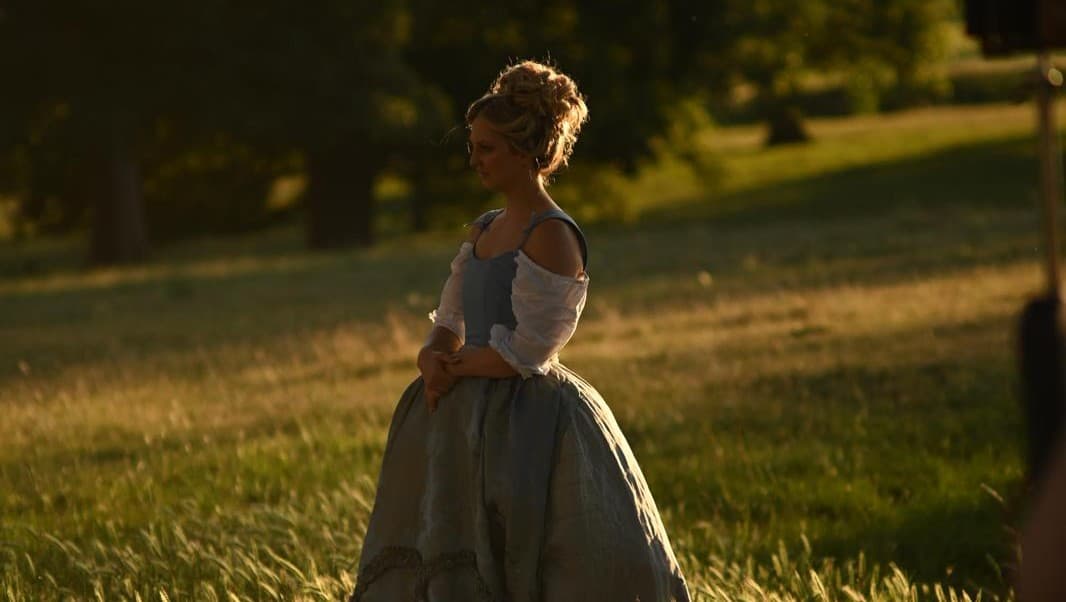
This film follows Leonardo from the court of Milan to Venice, into Cesare Borgia's camp beside Machiavelli, and back to the city he had walked away from — and it takes seriously the possibility that both accounts are true. That there were two paintings. One a likeness of a young Florentine woman, begun in 1503 and handed over unfinished; the other begun years afterwards in Rome, under a Medici patron, of somebody else.
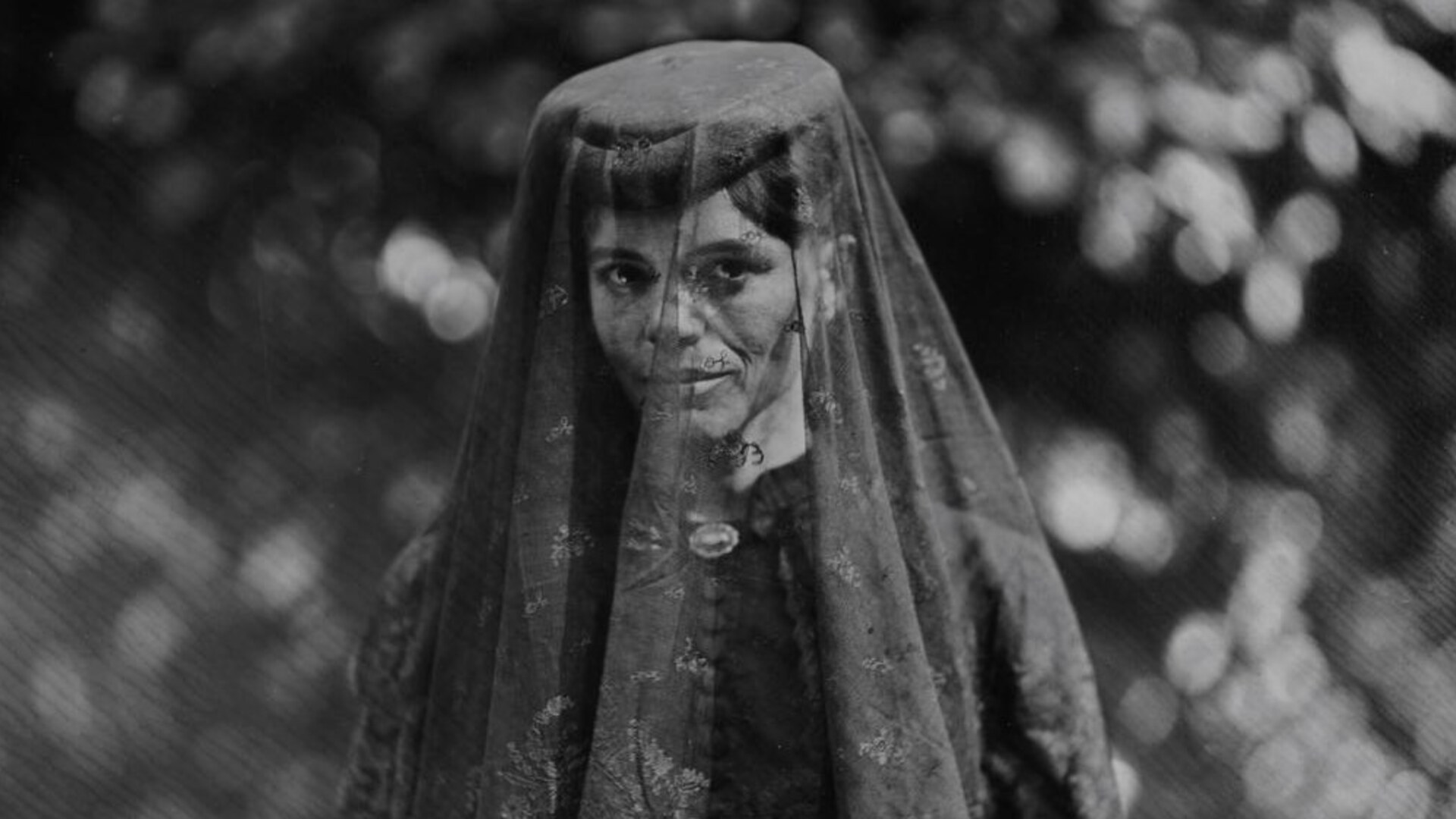
The evidence runs from a marginal note found in a Heidelberg library, scribbled in the margins of a book of Cicero's letters, to digital imaging techniques developed to authenticate Rembrandts and turned on a canvas that spent most of the twentieth century in a vault. And to a fine linen veil, invisible under the varnish until 2006, that Renaissance Florence reserved for women who were expecting or had recently given birth.
What emerges is less an art-historical whodunnit than a portrait of the painter. Leonardo was taken from his mother at five. Motherhood — its physical and psychological mystery — is the thread running through the anatomical drawings, the Virgin and Child, the Saint Anne, and finally the face that will not stop looking back at us.